GenieLocker is a new ransomware family active since March 2026, targeting organizations in the Russian Federation, primarily in manufacturing. Attributed to the financially motivated Toy Ghouls group (also known as Bearlyfy, Labubu, and Laboo.boo), this custom-designed ransomware marks a shift from their previous reliance on third-party encryption tools like RedAlert, LockBit, and Babuk. GenieLocker exists in two variants: PE builds for Windows and ELF builds for Linux and ESXi. The Windows version features sophisticated capabilities including process termination, service shutdown, anti-debugging techniques, and advanced encryption using the libsodium library with XChaCha20-Poly1305 algorithm. Initial access typically occurs through compromised VPN credentials from trusted partners, followed by deployment of tools like Mimikatz, SoftPerfect Network Scanner, and SSH utilities for lateral movement before deploying ransomware using PsExec and PAExec.
J'avais besoin d'un programme #windows pour gérer un Vps en #SSH / #SFTP. Les autres ne me convenant pas, je me suis enfin essayé au #Vibecoding et Claude Code m'a fait un truc qui dépasse mes attentes: Un client terminal / SSH / SFTP entièrement accessible #NvDASR qui me fait gagner un temps fou. C'est uniquement en français pour le moment mais si ça vous dit, c'est ici: https://github.com/sofquipeut/lazyshell
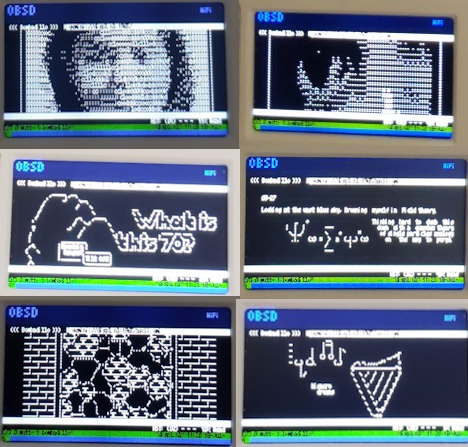
So few weeks ago, I wrote the Key auth function for github.com/bpivk/M5-SSH-Wireguard
Since then, I have been trying my best to squeeze as many characters as possible in the teeny tiny screen. I bought a 4x magnifying specs as well ;)
Whoever I'm meeting I bragging off (the post is in making). So, the font that can fit is called TomThumb. I actually took over and flooded the issue pages haha https://github.com/bpivk/M5-SSH-Wireguard/issues explaining each.
The maintainer of that package is not active yet, so I created pull requests and the experimental branch has all the essentials to squeeze in 80x22 characters!
#today is the start of #festival week, so a ~300 mile train(s) journey to Cumbria starting soon, with a friend for most of it. I believe I have everything packed, well probably a bit too much. And as a sop to my inner sysadmin, yes I do have an #ssh login to my servers from my phone, ofc...
I like that https://www.superlogical.com uses ssh for their open position listings. Given that their initial focus is on a multiplexer, it seems highly appropriate. +1
Botnet Rising Star: The Evolution and In-Depth Technical Analysis of Dysphoria
Since Q1 2026, an emerging botnet named Dysphoria has amassed over 200,000 compromised hosts through rapid technical iterations spanning jackskid and fbot variants. The botnet employs sophisticated blockchain-based command and control infrastructure using ENS and SNS domains, combined with a novel architecture that converts victim hosts into relay/proxy nodes. Dysphoria propagates primarily through Telnet/SSH credential brute-forcing and exploitation of IoT vulnerabilities. Its commercial operation offers tiered DDoS attack packages claiming up to 4 Tbps capacity, targeting victims globally across multiple industries. The botnet demonstrates advanced evasion techniques including modified RC4 encryption, UPnP NAT traversal, and dynamic C2 resolution mechanisms. Daily monitoring shows peak activity of 239,000 overseas bots and 1,801 domestic bots, with 740,000 daily C2 requests, confirming sustained high-volume malicious operations.
Со временем у меня появилось несколько серверов: VPS, домашний NAS и ещё пара машин под разные задачи. Для подключения я использовал PuTTY. Он работает, но управлять несколькими серверами в нём неудобно. Сессии хранятся в реестре Windows, список хостов плоский, вкладок нет. Чтобы открыть два сервера, нужны два отдельных окна. Termius устроен иначе. Там есть нормальный список хостов, вкладки и синхронизация. Но для работы нужен аккаунт, данные хранятся в облаке, а часть функций доступна только по подписке. Мне не хотелось регистрироваться и загружать список своих серверов в облако ради обычного SSH‑подключения. Поэтому я начал делать собственный клиент - LucidSSH. Это не попытка собрать ещё один комбайн для системных администраторов. Мне нужен был простой локальный SSH‑клиент с несколькими дополнительными функциями: защитой от опасных команд и понятными объяснениями ошибок. Я не занимаюсь администрированием каждый день. Поэтому делал программу прежде всего для таких же пользователей, как я: тех, кто впервые настраивает VPS, NAS, Raspberry Pi или небольшой домашний сервер. Разрабатываю LucidSSH в свободное от основной работы время.
at some point, i'd love to work on an implementation of the #screenreader of NVDA #nvda#remote / #nvdaremote where rather than using a 6-digit key that can be guessed, it uses #asymmetric#cryptography that genrates #encryption#keys using an algorithm like #rsa / #ecc (eliptic curve cryptography) in order to secure the connections. how it would work is you setup your connection. then, you'll get an encryption key for your session unique to that session. then, you give the user of the computer you want to control or who you want to control your computer the key. once both sides disconnect, the key automatically / automagically expires. it would be like a public / private keypare, where the key is stored on the server terminating the remote session (E.G. nv.seedy.cc, poweredge-r720.featherback-firefighter.ts.net) while the private key is stored on the machines connected to it. and optionally, a passfraze for the key to protect access even if that person has the key, sourt of like how #ssh public/private keypares work. @cryptography